

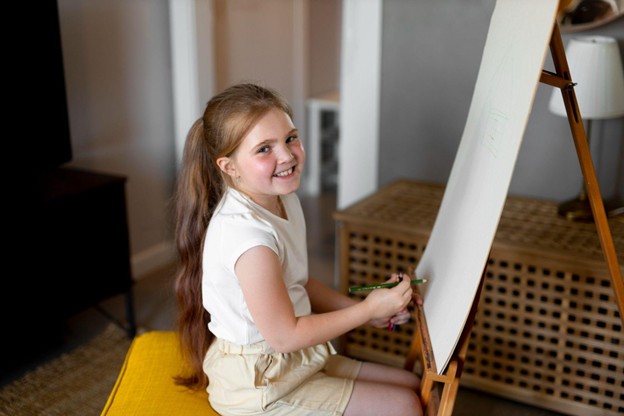
Image: Freepik
Parents face the same problem every rainy afternoon or long winter break: how to keep children engaged indoors without defaulting to screens. The solution isn’t one perfect activity but a thoughtful mix that blends curiosity, movement, and creativity. With the right balance, indoor time can feel purposeful, playful, and surprisingly calm for everyone involved.
Core Points
- Indoor activities can support learning without feeling like school.
- Simple materials at home are enough to spark imagination.
- Short, flexible activities work better than long, rigid plans.
- A mix of physical, creative, and thinking-based play keeps energy balanced.
Hands-On Learning Through Everyday Projects
Children learn best when their hands are busy and their minds are free to explore. Cooking together teaches math, sequencing, and patience while delivering a clear reward at the end. Simple science experiments using household items introduce cause and effect without heavy explanations. Even sorting laundry by color or size quietly reinforces categorization and responsibility.
Storytelling, Reading, and Quiet Imagination
Books remain one of the most powerful indoor tools parents have. Reading aloud builds vocabulary and emotional awareness, while independent reading gives children ownership of their time. Storytelling games, where each person adds a sentence, strengthen listening skills and creativity. These quieter moments help balance more energetic activities later in the day.
Creative Expression with Digital Art Tools
Art doesn’t have to be limited to paper and crayons. Digital tools can open new creative paths while still encouraging original thinking. Exploring art with digital tools can be especially engaging when parents sit alongside their children and talk through ideas rather than outcomes.
With an AI painting generator, children can experiment with visual storytelling in a way that feels modern yet expressive. This lets users create digital artworks by entering simple text prompts and turning ideas into images that resemble watercolor or oil paintings while adjusting style, color, and lighting.
Indoor Movement Ideas that Burn Energy
These ideas work in small spaces and require little-to-no setup:
- Create an obstacle course using pillows, chairs, and tape lines on the floor.
- Play freeze dance to music with clear start and stop moments.
- Use balloons instead of balls for safer indoor tossing games.
- Turn cleaning time into a timed challenge with rewards.
Turning Play into Routine Without Stress
Consistency helps children feel secure, but rigidity can backfire. Rotating activities by theme, such as “creative mornings” or “movement afternoons,” gives structure without pressure. Children are more likely to stay engaged when they know what to expect but still have choices. Parents benefit, too, because planning becomes lighter over time.
How to Structure Indoor Activities Without Overthinking
The following steps help parents create smoother indoor days without overthinking every hour:
- Choose two activity types per day, such as creative and physical.
- Prep materials the night before to avoid interruptions.
- Set a loose time boundary instead of a strict clock.
- Let children help decide the order of activities.
- End with a calming activity to reset energy.
Activity Ideas by Age Range
Different ages need different levels of guidance and challenge. The table below offers a simple way to match activities to developmental stages.
| Age Range | Best Activity Types | Parent Involvement |
| 3–5 | Sensory play, music, simple crafts | High |
| 6–8 | Building, reading games, light cooking | Medium |
| 9–12 | Creative projects, strategy games | Low-to-medium |
Practical Questions Parents Ask
These common questions parents have help clarify what works best.
How long should one indoor activity last?
Most children focus best in 20–40-minute blocks depending on age. Shorter activities reduce frustration and keep energy positive. You can always return to a favorite activity later in the day.
Do educational activities need to feel structured?
No, learning happens naturally through play and conversation. Over-structuring can reduce curiosity and enjoyment. Gentle guidance works better than formal instruction.
How can I limit screen time without conflict?
Offer engaging alternatives before removing screens entirely. When children are absorbed in something else, screens lose their pull. Clear expectations help prevent arguments.
What if my child loses interest quickly?
That’s normal, especially indoors. Rotate activities and allow breaks rather than forcing completion. Interest often returns when pressure is removed.
Are digital creative tools okay for younger kids?
Yes, when used together with a parent and balanced with offline play. Discussing what they create matters more than the tool itself. This keeps the experience interactive and thoughtful.
In Closing
Indoor activities don’t need to be elaborate to be meaningful. When parents focus on variety, flexibility, and connection, children stay engaged without feeling managed. Over time, these shared moments build confidence, creativity, and trust. Even indoors, there’s plenty of room for growth.
Jonathan Warner loves to learn, and his greatest teachers are his kids. They’re the inspiration behind his passion project, ThinkerFit.com, a site dedicated to making learning engaging for everyone. When he’s not hanging out with his wife and kids, you’ll probably find him trail running or nose-deep in a crossword puzzle.
