

Image via Freepik
Weekends don’t need to be downtime from learning; they can be launchpads. The right mix of hands-on activity, story-driven discovery, and low-pressure skill-building doesn’t just keep kids engaged, it also helps them connect the dots between school and the real world. You don’t need a rigid schedule or a Pinterest-worthy plan, just a few tested moves that feel like play and quietly carry the weight of progress. This guide shares ways to make weekends genuinely fun and surprisingly educational, without turning your home into a second classroom.
Start with a Mindset Shift
The best weekend plans don’t follow strict formulas; they respond to your kid’s mood, curiosity, and attention span. What helps is starting with a shift in expectation: rather than trying to recreate school, focus on ways to blend education with entertainment. That means dropping the “shoulds” and leaning into “what ifs.” What if your backyard becomes a mini-lab? What if a grocery run becomes a fraction challenge? You’re not looking to teach, you’re looking to spark. That difference shifts you from planner to co-adventurer, and your child can feel that.
Use Language to Unlock Curiosity
Second languages aren’t just school subjects; they’re keys to curiosity, empathy, and deeper communication. On weekends, without academic pressure, kids are more open to experimenting with sounds, phrases, and cultural quirks. That’s where learning new languages shines: platforms that are flexible, immersive, supportive, and offer human-led guidance let kids find their groove without stress.
For example, if you’re interested in your child studying Spanish, you’re not looking for a system that mimics school but something personalized, efficient, and practical enough to feel like a game with benefits. When kids get to speak like a native in just a few casual weekend sessions, confidence tends to follow fast.
Let Books Lead to Real-World Play
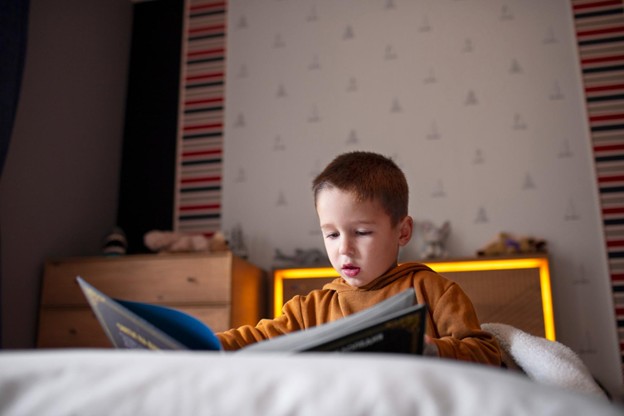
Kids don’t remember worksheets, but they’ll remember the weekend they turned your living room into a rainforest. Try hosting a family book safari where everyone picks a theme (e.g., oceans, outer space, wild cats) and then runs with it. Read a short story together, then draw, act, or build something from what you learned. When kids get to blend fiction with movement, they stay invested longer. That shift helps turn weekend reading into an adventure, and it sneaks in skills like comprehension, vocabulary retention, and sequencing without ever announcing that “this is for learning.”
Take Hands‑On Learning Outside
Forget glossy museum trips or scripted projects; some of the richest educational moments happen when kids get dirty, bored, and then inventive. Weekend walks can turn into leaf ID hunts. Sticks can become engineering tools. And a pile of junk mail might end up as a mini city. The goal is setup, not structure. Look for low-friction ways to encourage curiosity, using creative weekend activities with kids that prioritize problem-solving and imagination. Let them lead. You might start the afternoon with mud pies and end it with a solar oven made from tin foil and cardboard.
Mix Science with Storytelling
Kids absorb more when the lesson comes wrapped in spectacle. Use that to your advantage by bringing a touch of wonder into STEM. Visit places that combine science with play (e.g., children’s museums, planetariums, or even just kitchen science experiments). What keeps them hooked isn’t the fact that it’s educational; it’s the fact that it sparks a story they can tell. That’s why it’s worth seeking out events with hands‑on exhibits and shows that transform abstract concepts into full-body experiences. Let them build a mini volcano, code a robot mouse, or test gravity with marshmallows.
Highlight the Power of Listening
Reading gets all the praise, but listening comprehension becomes the dominating influence as kids get older. Audiobooks, storytelling apps, or even just narrating your own day while you cook can turn passive time into active learning. The goal isn’t to replace reading but to supplement it. Some kids absorb best by hearing, not scanning words. And when they listen and retell a story themselves, they’re working on memory, structure, and emotional language. Turn car rides into listening time and notice how their questions and attention spans change.
Review, Reflect, Reset
Before you jump into another Monday, take 10 minutes Sunday night to look back. What did they light up around? What flopped? Reflection builds metacognition (the ability to think about thinking), which is linked to better problem-solving (Wismath et al. (2014)). Even small tweaks to the next weekend’s rhythm can make a big difference. And if you’re on a budget, consider free or affordable weekend activities that don’t sacrifice quality for cost. The point isn’t extravagance; it’s repeatability. When weekends have a reliable beat and a dash of surprise, learning sneaks in and sticks.
Weekends don’t have to be battlegrounds between rest and productivity. They can be rhythm-makers, the space where kids explore, connect, and stretch without pressure. Whether they’re mixing paint, learning a new phrase, or running a backyard experiment, they’re building the very skills school aims to teach (but on their own terms). Your role isn’t to instruct but to clear the space, drop the right prompt, and step back. When you treat weekends as opportunities instead of gaps, the results aren’t just smarter kids but happier ones, too. Start small. Build rhythm. Let fun do the work.
FAQ: Learning Languages as a Family Activity
Q: Can kids really pick up a new language just on weekends?
A: Yes. Weekends are ideal for language exposure because they’re low-stress and more flexible. Even a couple of immersive sessions a week can build vocabulary and boost pronunciation, especially when it’s part of a routine.
Q: What’s better: teaching them yourself or using a tool?
A: You don’t need to be fluent yourself. Tools that offer personalized, immersive learning like studying Spanish can give your child access to native speakers and flexible lesson styles that support real progress.
Q: How can we keep it fun and consistent?
A: Tie language into other activities (e.g., label objects around the house, sing songs, or cook meals from different cultures). The key is repetition without pressure.
